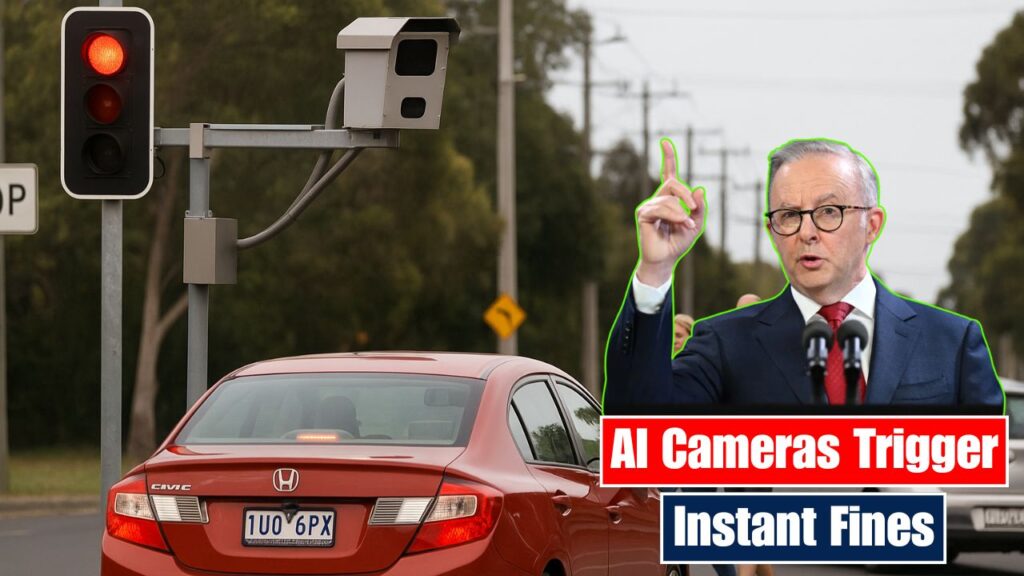
New AI Enforcement Cameras Rolling Out – The introduction of new AI enforcement cameras across Australia from 3 December marks a significant upgrade in the country’s road safety strategy. These advanced systems are designed to automatically detect red-light violations, distracted driving, speeding patterns, and other dangerous behaviours with far greater accuracy than traditional cameras. As Australian authorities prepare for the rollout, drivers are being warned to stay alert, understand the new monitoring rules, and ensure full compliance to avoid instant fines. This article explains everything motorists in Australia need to know about the updated AI camera regulations and enforcement system.
AI Road-Safety Cameras for Australian Citizens
The launch of AI road-safety cameras for Australian citizens represents a major technological shift in how traffic laws are enforced nationwide. These upgraded systems use machine-learning algorithms to detect red-light offences within milliseconds, allowing authorities to issue fines instantly based on verified sensor data. Beyond red-light breaches, the cameras can identify illegal mobile phone use, unbuckled seatbelts, and lane-change violations with high precision. For many drivers, this means traditional warnings or visual monitoring loopholes will no longer apply. The goal of the rollout is to create safer intersections and reduce crashes linked to distracted or reckless driving, particularly in high-risk metropolitan zones where collisions remain frequent.

Intelligent Traffic Monitoring for Australians Across the Country
The new intelligent traffic monitoring system being introduced across the country is carefully designed to strengthen compliance and streamline enforcement. Australians in both urban and regional areas can expect these cameras to operate continuously, capturing real-time images and behaviour patterns even in low-light or extreme weather conditions. Authorities have emphasized that the AI cameras are calibrated to minimize errors, ensuring that only legitimate infringements trigger penalties. The technology includes advanced image-processing capabilities to differentiate drivers from passengers and detect whether hands are in contact with a device. This broader monitoring approach aims to discourage risky habits and encourage safer road culture, especially during peak travel periods.
| AI Feature | Function |
|---|---|
| Red-Light Detection | Identifies instant violations at intersections |
| Mobile Phone Monitoring | Flags drivers using handheld devices |
| Seatbelt Recognition | Detects occupants not wearing seatbelts |
| Night Vision Capability | Ensures accurate monitoring in low-light environments |
| Continuous Recording | Captures real-time data for uninterrupted enforcement |
Automated Violation Processing for Motorists in Australia
The automated violation processing system now being implemented in Australia removes manual reviewing delays and ensures faster, more transparent enforcement. Once an infringement is detected, the AI engine verifies multiple data points — including vehicle type, speed, light status, and driver behaviour — before issuing a fine. This helps reduce disputes related to unclear footage or human error. Motorists can also expect quicker notification timelines, as digital verification speeds up processing significantly. Authorities believe this automated model will reduce repeat offences by reinforcing immediate accountability, especially in urban zones where red-light running and distracted driving remain prominent concerns.
Camera Compliance Rules Explained for Australian Road Users
Understanding the new camera compliance rules is essential for road users in Australia as enforcement becomes fully automated. Drivers must ensure they come to complete stops at red lights, avoid touching their mobile phones while driving, maintain lane discipline, and follow all posted speed limits. The AI technology is particularly adept at catching subtle violations, such as creeping past the stop line or holding a phone briefly while stopped at a signal. Since the cameras operate 24/7, motorists should assume constant surveillance at major intersections and adjust their driving habits to avoid unexpected penalties.
Frequently Asked Questions (FAQs)

1. When will the new AI cameras start operating?
The cameras officially begin full operation on 3 December across selected Australian intersections.
2. Can the AI cameras detect mobile phone use?
Yes, the system can identify handheld phone use even at low speeds or while stopped.
3. Are fines issued instantly through the AI system?
Yes, once verified by the AI engine, fines are processed and issued much faster than before.
4. Do the cameras work at night or in bad weather?
Yes, the upgraded sensors include night vision and weather-resistant image processing.