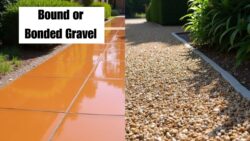
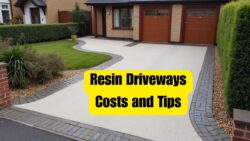
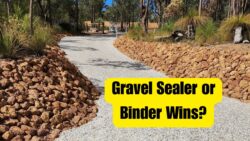
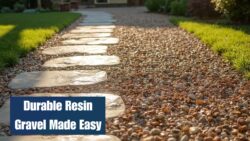
Australian Landscapes – When planning landscaping projects across Australia, choosing the right amount of gravel binder is crucial for stability, durability, and long-term visual appeal. Gravel binder helps lock gravel in place, preventing shifting and erosion, especially in driveways, walkways, and garden paths. But how much do you really need per square metre? This detailed guide is tailored for Australian homeowners, landscapers, and outdoor designers to estimate the right quantity of gravel binder based on your project’s scale and surface type. Understanding coverage requirements ensures you avoid both underuse and unnecessary overspending.
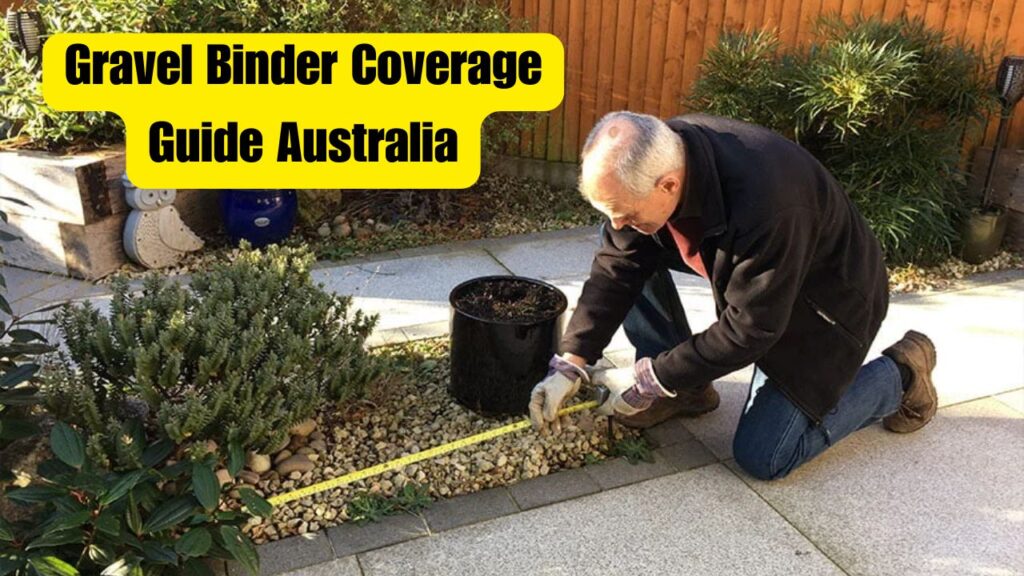
Gravel Binder Quantity Guide for Australian Landscapers
Australian landscapers often face climate challenges like heat, rain, and wind — making gravel binder an essential element in outdoor construction. The quantity of gravel binder you need largely depends on gravel depth, area size, and traffic intensity. On average, 1 litre of gravel binder covers about 1 to 1.5 square metres for light-use areas like garden paths. For driveways or heavily used surfaces, expect to use more — up to 2 litres per square metre. Proper calculation and application can significantly extend the lifespan of your gravel project while reducing maintenance efforts in Australia’s tough outdoor conditions.
Coverage Estimates for Gravel Binding Across Australian Regions
In different parts of Australia — from coastal zones in Queensland to drier inland regions — coverage requirements may slightly vary based on local weather and usage intensity. For general guidance, binding coarse gravel for a patio may need 1.5 litres per m², while finer gravel driveways may require 2 litres or more. Landscapers across Melbourne, Perth, or Brisbane should also consider whether the gravel binder is water-based or polyurethane, as coverage also depends on binder type. Always check the manufacturer’s label, but this guide provides a practical average to work from when preparing Australian landscaping quotes or DIY plans.
| Application Type | Binder Needed (L/m²) | Gravel Depth | Typical Use |
|---|---|---|---|
| Light Foot Traffic (Path) | 1.0 – 1.5 | 2–3 cm | Garden, Courtyard |
| Moderate Use (Patio) | 1.5 – 2.0 | 3–4 cm | Outdoor Sitting Area |
| Driveway or Parking | 2.0 – 2.5 | 4–5 cm | Vehicle Pathways |
| Steep Slopes | 2.0 – 3.0 | 3–4 cm | Hilly Landscapes |
| Loose Decorative Gravel | 1.0 – 1.2 | 2–3 cm | Garden Edges |
Calculating Binder for Australian DIY Projects
If you’re a DIY enthusiast planning to stabilise your gravel in a backyard or driveway anywhere in Australia, use this formula: Area (in m²) × Binder requirement per m² = Total Litres Required. For example, a 20m² driveway requiring 2L/m² would need 40 litres of gravel binder. Remember, always factor in gravel size and compactness — denser surfaces may require slightly less. Ordering an extra 5–10% of material is a smart move to compensate for absorption or reapplication needs. This proactive calculation method can save costs and reduce delays in Australian outdoor improvement projects.
Choosing the Right Gravel Binder for Australians
Not all gravel binders are created equal, and choosing the right type is essential for Australian environments. Polyurethane-based binders offer long-term durability and are best for driveways or high-traffic zones. Water-based binders are eco-friendlier and ideal for gardens or pedestrian paths. For coastal towns in Australia, UV resistance and water runoff stability are important features to check before purchase. Additionally, some Australian suppliers offer binders specially formulated for native stone types, so compatibility should always be verified. Make your selection based on the project’s purpose and your local climate for best results.
Frequently Asked Questions (FAQs)
1. How do I calculate the gravel binder amount for a 10m² path?
Multiply 10m² by the binder rate (e.g., 1.5L/m²) to get 15 litres total needed.
2. Can I apply gravel binder during rainy weather in Australia?
No, it must be applied during dry weather to ensure proper bonding and curing.
3. Which binder is best for driveways in Australian suburbs?
Polyurethane-based gravel binders are ideal for high-traffic driveway applications.
4. Is gravel binder safe for Australian native gardens?
Yes, water-based gravel binders are eco-friendly and safe for native plant surroundings.