Gravel Sealer vs Gravel Binder – When it comes to stabilising gravel surfaces in Australia’s harsh and unpredictable climate, choosing the right solution can make a big difference in long-term durability and appearance. Two common options—gravel sealers and gravel binders—are widely used for driveways, pathways, and landscaping. While both improve surface integrity, they function differently and respond uniquely to heat, rain, and UV exposure. Australian property owners must understand which product suits their region’s conditions best, especially in high-traffic areas or places prone to flooding and temperature extremes. This article explores the pros and cons of gravel sealers versus gravel binders across the Australian landscape.
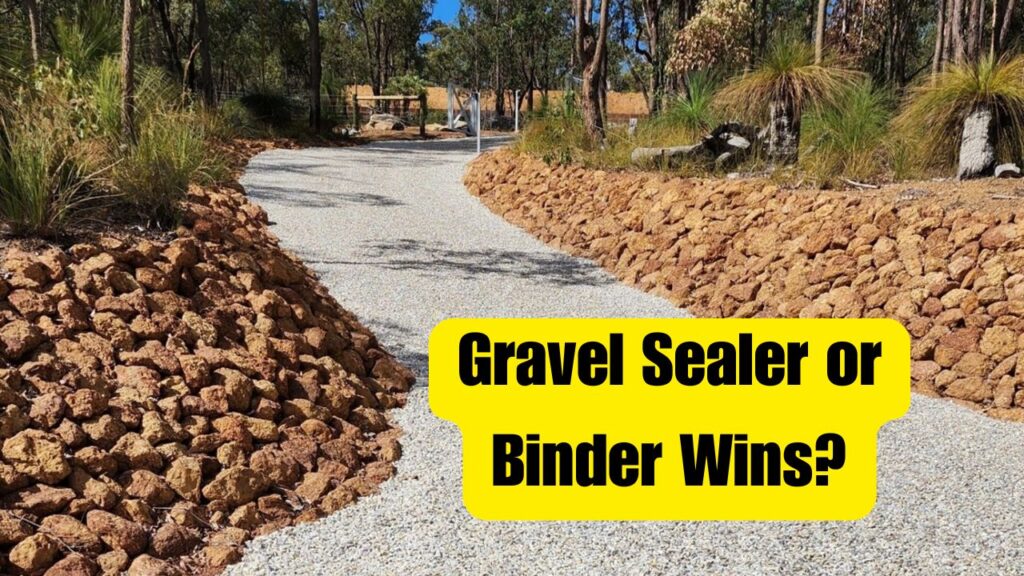
Gravel sealer performance for Australian citizens
Gravel sealers are popular among Australian citizens for providing a protective topcoat that repels water and dust while enhancing the gravel’s natural colour. These sealers form a thin film over the surface, offering temporary improvement in cohesion without significantly altering the gravel structure. In areas with light foot traffic and milder weather, sealers are effective and affordable. However, in regions that face torrential rains, scorching sun, or constant vehicular movement, sealers often require frequent reapplication. The Australian summer, with its intense UV radiation, may cause traditional acrylic-based sealers to degrade faster, making it essential to choose UV-resistant formulas if opting for a sealer solution.
Gravel binder durability for Australians in rural areas
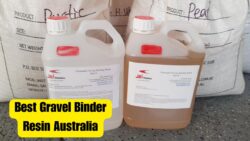
Gravel binders, often made from resin or polymer-based formulas, offer Australians in rural and remote areas a more robust solution than traditional sealers. These binders penetrate deep into the gravel, forming a semi-rigid or fully hardened surface depending on the product type. This helps resist erosion from heavy rain and damage from frequent vehicle use—especially important on rural driveways and farm paths. Unlike sealers, gravel binders can last several years with minimal upkeep, even under the extreme conditions of Australia’s outback. Their ability to hold gravel together also reduces dust and rutting, making them ideal for long-term use where maintenance access is limited.
| Feature | Gravel Sealer | Gravel Binder |
|---|---|---|
| Typical Lifespan | 6–12 months | 3–5 years |
| UV Resistance | Moderate (varies by product) | High (with polymer binders) |
| Application Type | Surface spray or roll-on | Mixed and worked into gravel |
| Best Suited For | Light traffic, visual appeal | High traffic, erosion control |
| Maintenance Frequency | Every 6–12 months | Every 3–5 years |
| Cost (Estimate) | Lower upfront | Higher upfront, lower long-term |
Comparing gravel treatments across Australia’s varied climate
Australia’s vast geography—from the humid coasts of Queensland to the arid regions of Western Australia—demands location-specific gravel solutions. In wetter zones, such as the eastern seaboard, gravel binders offer superior performance by resisting washouts and holding particles together even in flash floods. In contrast, dry, low-rainfall regions might benefit from sealers, especially if the goal is dust suppression or colour enhancement. Urban residents dealing with moderate foot or bicycle traffic may find gravel sealers adequate. However, across Australia’s diverse conditions, binders generally outperform sealers in longevity and strength, making them a more reliable investment for most applications.
Best choice for climate resilience in Australian suburbs
In suburban environments across Australia, where homeowners want both aesthetics and performance, choosing between gravel sealers and binders often depends on long-term goals. Suburban areas with moderate traffic and occasional extreme weather events are better suited to polymer gravel binders, which resist disintegration under heat and rain. These binders also reduce the frequency of topping up gravel and are ideal for sloped driveways that need extra cohesion. While sealers may still serve decorative purposes or quick fixes, suburbs exposed to seasonal bushfires or storms will benefit from the enhanced binding power and water resistance that binders provide.
Frequently Asked Questions (FAQs)
1. Which lasts longer in Australia’s heat—sealer or binder?
Gravel binders last significantly longer in hot Australian climates due to their deeper penetration and UV resistance.
2. Are gravel binders safe for the environment?
Many modern gravel binders are made from non-toxic, biodegradable polymers safe for Australian ecosystems.
3. Can I apply gravel sealer myself in Australia?
Yes, most gravel sealers are DIY-friendly and only require basic spraying or rolling tools.
4. Is it worth spending more on a gravel binder?
Yes, for high-traffic areas or harsh climates, the long-term durability of gravel binders justifies the higher initial cost.