Resin Bound Gravel vs Resin Bonded Gravel – When choosing the right surface for driveways, pathways, or outdoor spaces, many Australian homeowners often get confused between resin bound and resin bonded gravel. Both materials offer attractive finishes and durable surfaces, but the two differ significantly in terms of installation, appearance, and maintenance. Understanding these differences can help property owners in Australia make the best decision for their landscaping needs and budget. In this article, we explore the key differences between resin bound and resin bonded gravel systems, highlighting which is more suitable for Australian homes and why.
Resin Bound Gravel Benefits for Australian Citizens
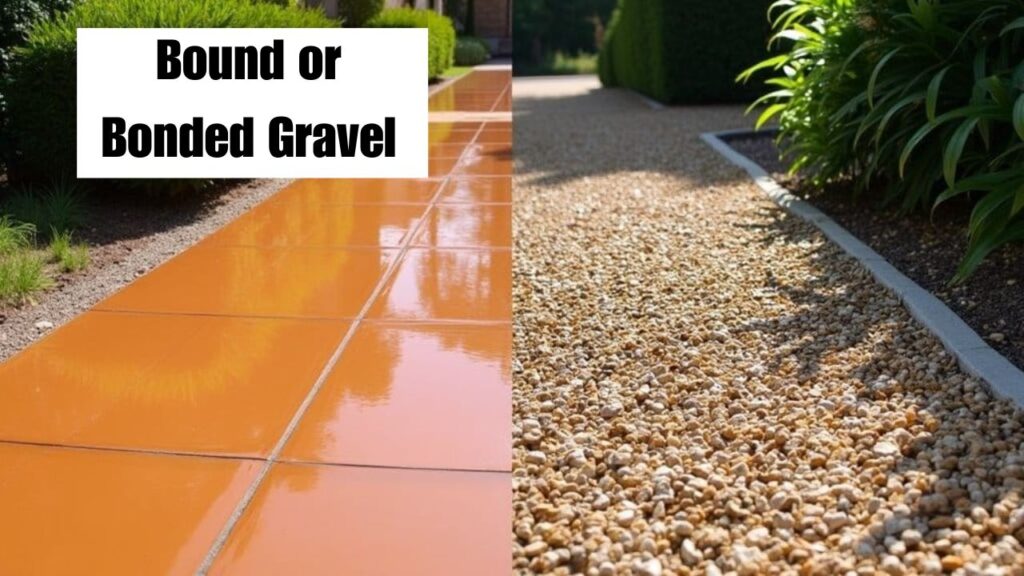
Resin bound gravel is a popular choice among Australian citizens looking for a smooth, visually appealing, and permeable surface. This system involves mixing resin with natural aggregate before application, resulting in a seamless, stone-carpet finish. One major advantage is its SUDS-compliance, meaning it allows water to drain naturally through the surface, which is crucial in areas of Australia prone to heavy rain. Moreover, resin bound gravel is UV-resistant, low maintenance, and highly durable, making it ideal for driveways, patios, and garden paths. Its modern look enhances the aesthetic value of properties across suburban and urban Australia.
Resin Bonded Gravel Features for Homeowners Across Australia
For homeowners across Australia seeking a more textured and traditional gravel appearance, resin bonded gravel may be the better fit. Unlike the resin bound system, resin bonded gravel involves spreading resin across a surface and scattering loose aggregate over it. This creates a rougher texture and a non-permeable finish. While it gives a more natural gravel look and is cost-effective, it doesn’t allow water to drain through and may not be ideal in flood-prone regions. The stone can also loosen over time, requiring occasional sweeping and maintenance. Still, it’s a quick solution for adding traction to sloped driveways or steep pathways.
| Feature | Resin Bound Gravel | Resin Bonded Gravel |
|---|---|---|
| Drainage | Permeable (SUDS compliant) | Non-permeable |
| Surface Texture | Smooth and seamless | Rough and textured |
| Installation Method | Mixed and trowelled | Sprinkled on wet resin |
| Maintenance | Low maintenance | Moderate maintenance |
| Durability | Highly durable | Less durable over time |
| Visual Appeal | Modern and clean | Traditional gravel look |
Choosing Between Resin Bound or Bonded Gravel in Australian Homes
When selecting between resin bound or bonded gravel in Australian homes, the choice largely depends on the intended use, drainage needs, and aesthetic preference. For driveways and high-traffic areas, resin bound is typically preferred due to its longevity and porous structure. On the other hand, if you’re aiming for a more rustic and cost-effective finish for a garden path or decorative feature, resin bonded might suffice. Australian weather conditions and council regulations around permeability can also influence your choice. Therefore, understanding both options ensures homeowners pick a surface that not only looks great but also performs well year-round.
Installation Considerations for Australian Gravel Surfaces
Installation plays a key role in determining the effectiveness and lifespan of resin surfaces in Australian environments. For resin bound gravel, expert installation ensures even coverage, proper curing, and long-term performance. The base preparation must be flawless, especially in areas with frequent rainfall or shifting soil. With resin bonded gravel, while the process is faster and less technical, improper application may result in loose stones and patchy surfaces. Homeowners in Australia should hire licensed contractors familiar with local climate challenges and council guidelines to avoid drainage issues, surface cracks, or UV damage over time.
Frequently Asked Questions (FAQs)
1. Which surface lasts longer in Australian weather?
Resin bound gravel typically lasts longer due to its UV resistance and durable stone-resin mix.
2. Can both gravel types be used on driveways?
Yes, but resin bound gravel is preferred for driveways due to its smoother, stronger surface.
3. Do I need planning permission for resin surfaces in Australia?
In most Australian states, SUDS-compliant resin bound systems may not require permission, but check local rules.
4. Is resin bonded gravel slippery when wet?
It offers good grip initially but may become slippery as stones loosen or moss grows over time.